Dear Amy,
My husband has been acting strange lately. He was dull before but now he's really dull and he keeps going on about brains. Just recently he tried to bite the neighbor for no reason. My husband doesn’t have a violent bone in his body. I think the stress is getting to him. He’s falling apart. The other day his ear fell off right in the sink.
Please, Amy, help me understand my husband better.
Sincerely,
Barbara
Dear Barbara,
Sorry to hear about your husband…LOL… get it? Hear? Bad Joke but anyway, I wouldn’t be too concerned. If he’s into biting it might spice up your love life. Remember he may be dull but at least he’s not dead.
Best regards,
Amy
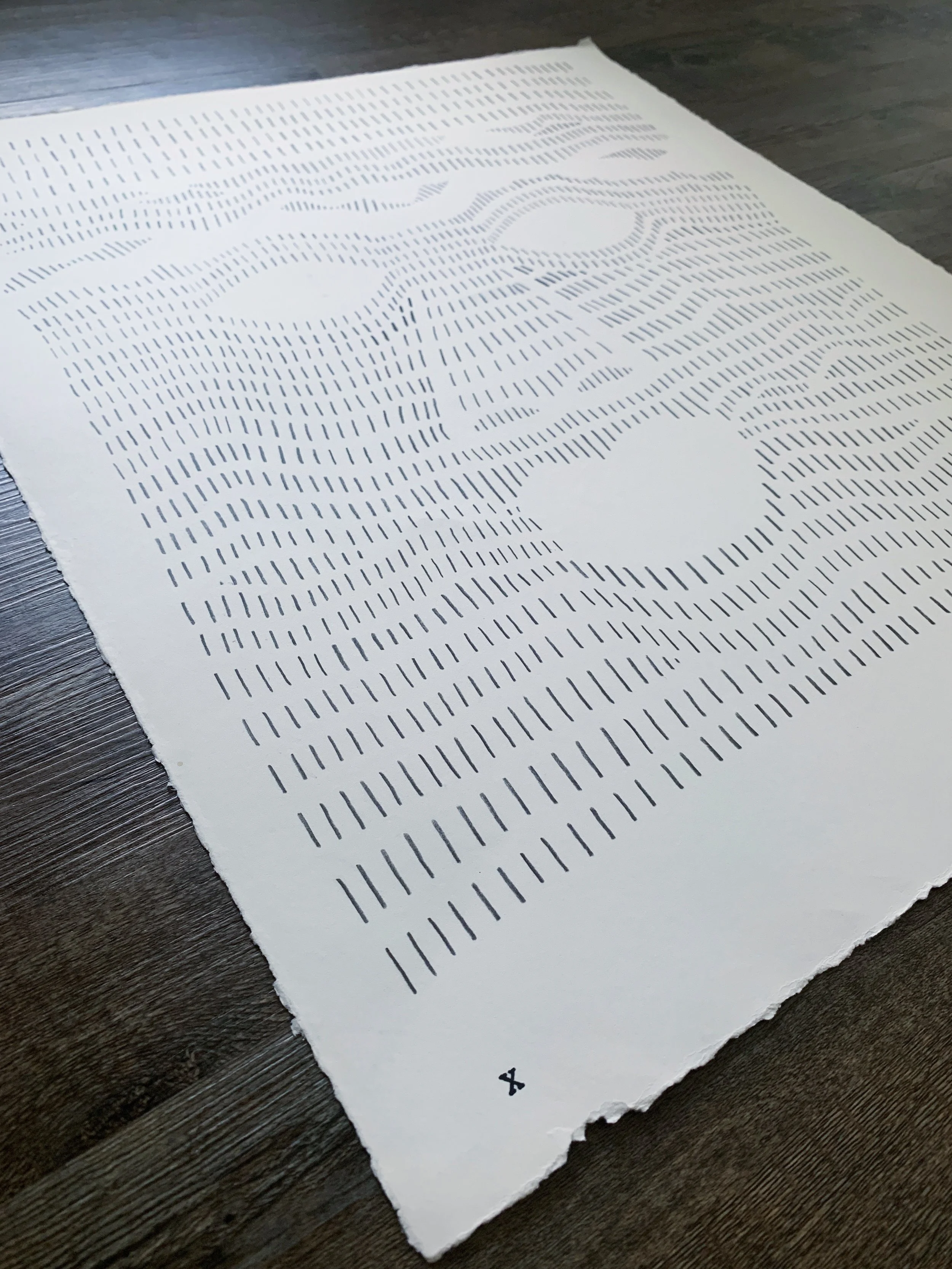
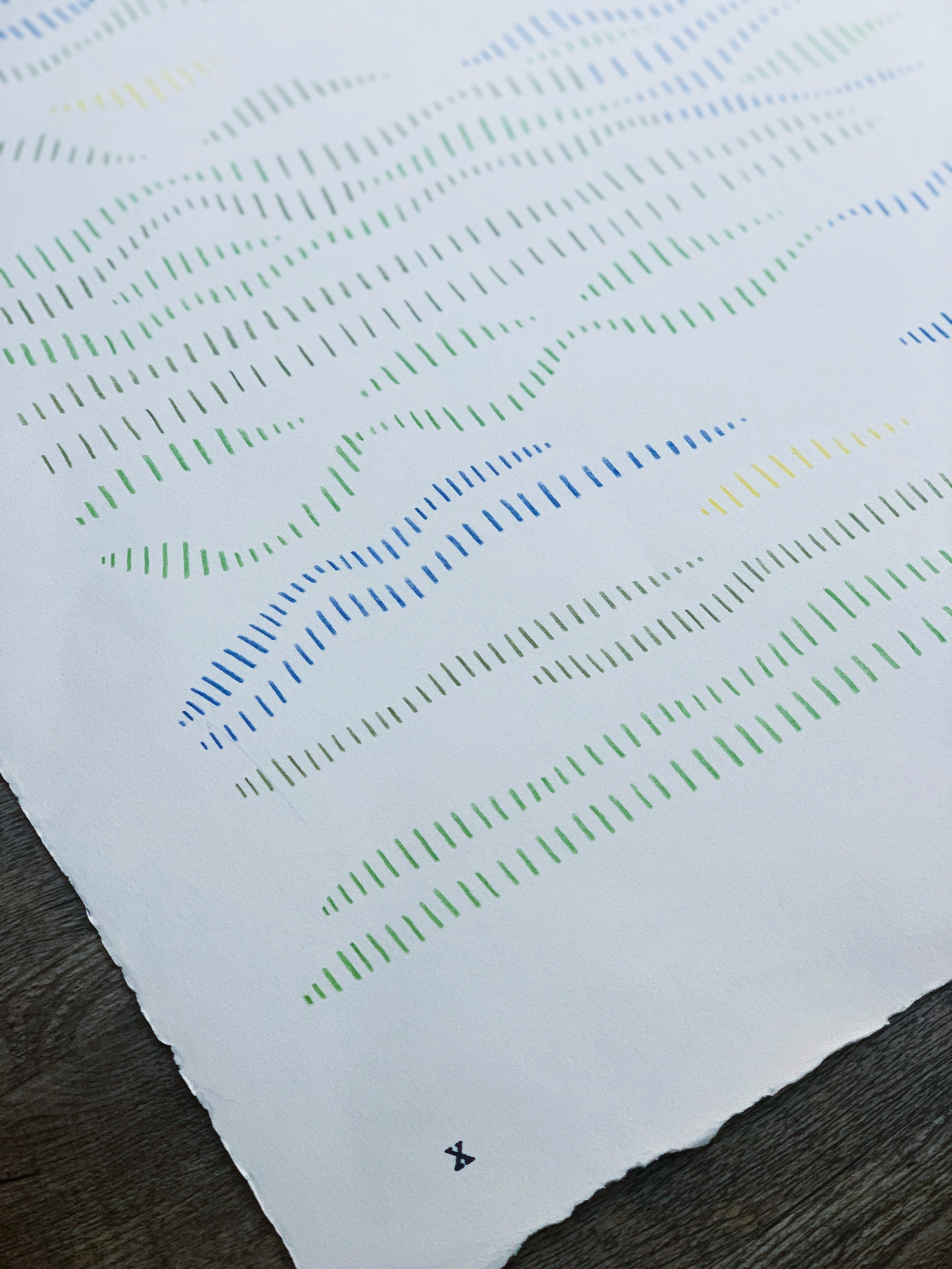
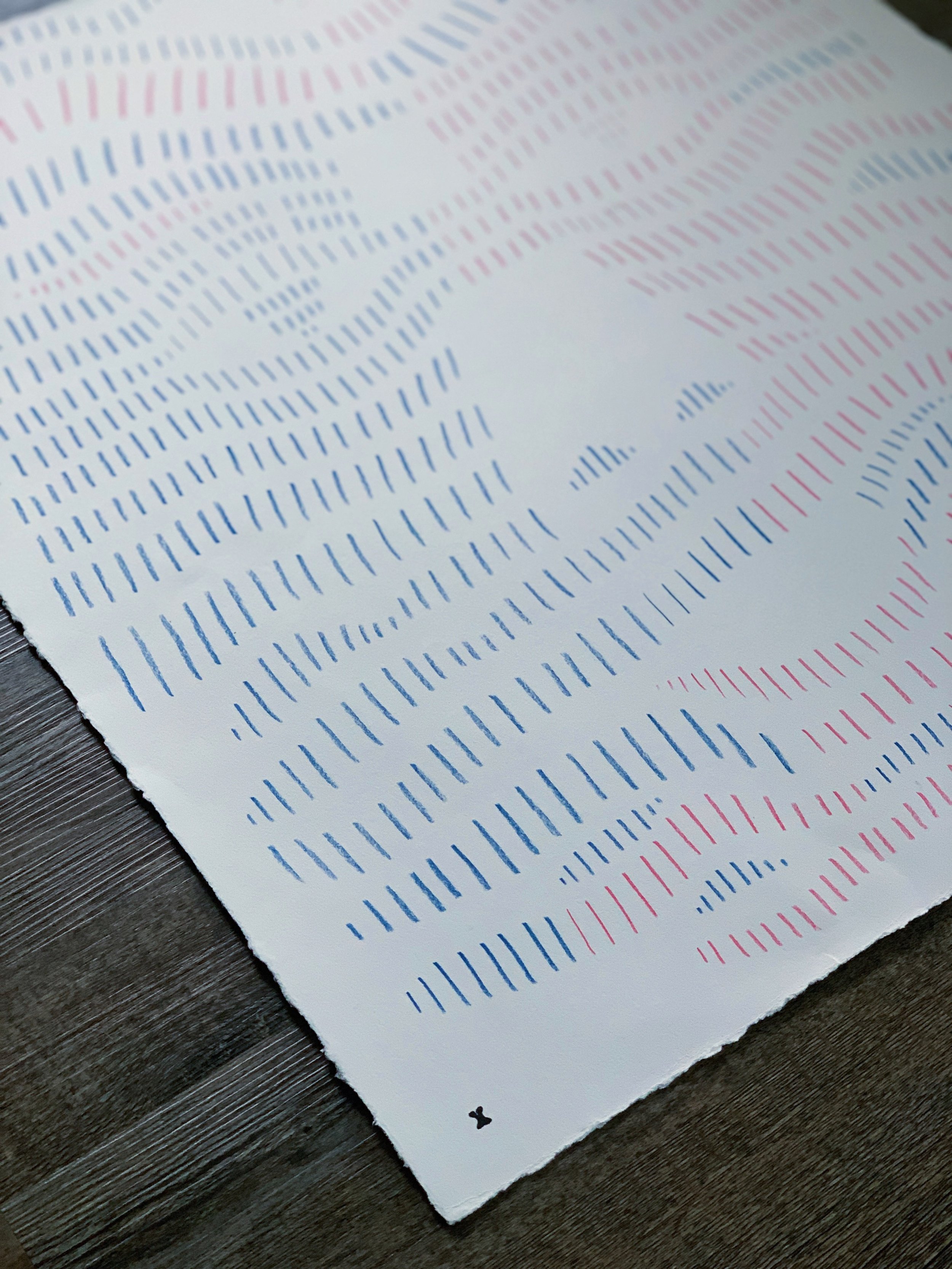
AI is expanding more and more each year. It’s amazing to me these designs were created with MidJourney in a matter of 5 seconds. It’s more important than ever as creatives to strive for the human touch. There is something about these designs that seem digital and lack the humanity in them.


Art has long been a powerful medium for conveying messages, emotions, and societal reflections. As artists navigate the complex landscape of self-expression, a question often arises: How much and in what ways should politics be incorporated into artwork? This blog post explores the nuanced balance between incorporating politics into art and maintaining the integrity of creative expression.
Art and politics have been intertwined throughout history. From propaganda pieces to socially charged masterpieces, artists have used their craft to comment on and critique the political climate of their times. Today, artists grapple with the challenge of navigating the fine line between activism and aesthetic integrity.
At the core of the debate lies the tension between an artist's desire for personal expression and the responsibility some feel to engage with social and political issues. While some artists view their work as a deeply personal form of expression, others see it as a platform for advocating change, challenging norms, and inspiring dialogue.
Incorporating politics into art can elicit strong emotional responses from viewers. Some argue that provoking thought and stirring emotions is the essence of impactful art, while others caution against alienating audiences who may hold differing political views. Striking a balance that invites contemplation without causing division is a delicate art in itself.
Examining historical examples, such as Picasso's "Guernica" or Diego Rivera's murals, offers insights into how artists have successfully blended political commentary with artistic brilliance. These works demonstrate that art has the power to shape public discourse and provoke meaningful conversations about the issues of the day.
For artists who choose to engage with political themes, there's a recognition that their work can serve as a catalyst for change. Whether shedding light on social injustices, advocating for human rights, or challenging the status quo, politically charged art has the potential to inspire action and contribute to a collective consciousness.
Artists who choose to incorporate politics into their work often face the challenge of navigating controversy. While controversy can bring attention to important issues, it can also overshadow the artistic message. Finding a balance that invites dialogue without sacrificing artistic vision is key.
The relationship between art and politics is complex, and artists must navigate a landscape of personal expression, social responsibility, and potential controversy. Whether choosing to engage overtly or subtly with political themes, the balance between artistic integrity and advocacy is a subjective journey for each artist. Ultimately, as artists explore the intersection of their craft and the political sphere, they contribute to a rich tapestry of expression that reflects the ever-evolving dialogue between art and society.
BY TIM NEWCOMB NOV 9, 2023
Maybe even sooner. Are you ready?
“The singularity,” the moment where AI is no longer under human control, is less than a decade away—according to one AI expert.
More resources than ever are being poured into the pursuit of artificial general intelligence and speeding the growth of AI.
Development of AI is also coming from a variety of sectors, pushing the technology forward faster than ever before.
There’s at least one expert who believes that “the singularity”—the moment when artificial intelligence surpasses the control of humans—could be just a few years away. That’s a lot shorter than current predictions regarding the timeline of AI dominance, especially considering that AI dominance is not exactly guaranteed in the first place.
MORE FROM POPULAR MECHANICS ON APPLE NEWS
A Chinese Dissident Jet-Skied 186 Miles to Asylum. We Calculated How Much Fuel It Took to Pull Off
Ben Goertzel, CEO of SingularityNET—who holds a Ph.D. from Temple University and has worked as a leader of Humanity+ and the Artificial General Intelligence Society—told Decrypt that he believes artificial general intelligence (AGI) is three to eight years away. AGI is the term for AI that can truly perform tasks just as well has humans, and it’s a prerequisite for the singularity soon following.
Whether you believe him or not, there’s no sign of the AI push slowing down any time soon. Large language models from the likes of Meta and OpenAI, along with the AGI focus of Elon Musk’s xAI, are all pushing hard towards growing AI.
FOLLOW
POPULAR
MECHANICS
“These systems have greatly increased the enthusiasm of the world for AGI,” Goertzel told Decrypt, “so you’ll have more resources, both money and just human energy—more smart young people want to plunge into work and working on AGI.”
When the concept of AI started first emerged—as early as the 1950s—Goertzel says that its development was driven by the United States military and seen primarily as a potential national defense tool. Recently, however, progress in the field has been propelled by a variety of drivers with a variety of motives. “Now the ‘why’ is making money for companies,” he says, “but also interestingly, for artists or musicians, it gives you cool tools to play with.”
Getting to the singularity, though, will require a significant leap from the current point of AI development. While today’s AI typically focuses on specific tasks, the push towards AGI is intended to give the technology a more human-like understanding of the world and open up its abilities. As AI continues to broaden its understanding, it steadily moves closer to AGI—which some say is just one step away from the singularity.
The technology isn’t there yet, and some experts caution we are truly a lot further from it than we think—if we get there at all. But the quest is underway regardless. Musk, for example, created xAI in the summer of 2023 and just recently launched the chatbot Grok to “assist humanity in its quest for understanding and knowledge,” according to Reuters. Musk also called AI “the most disruptive force in history.”
With many of the most influential tech giants—Google, Meta and Musk—pursuing the advancement of AI, the rise of AGI may be closer than it appears. Only time will tell if we will get there, and if the singularity will follow.
More from Popular Mechanics
The Scientist Who Wants to Show You How to Live for a Really, Really Long Time
Massive 747s Ruled the Skies—And Then One Crashed Into a Mountain
Is Death Real? New Experiments Raise Important Questions About What It Means to Die.
Need to know the biggest scientific breakthroughs in our galaxy?
Get our newsletter for more fascinating insights.
MORE FROM POPULAR MECHANICS ON APPLE NEWS
The Secret Reason Why Ancient Roman Concrete Is So Remarkably Strong
https://apple.news/AE1NLg4qITxG486VASh5NtA